
Dog First Aid Kit: Essentials and How to Build Your Own
A complete guide to assembling the perfect first aid kit for your dog. From tick removers to bandages: be prepared for any emergency during your walks or holidays.

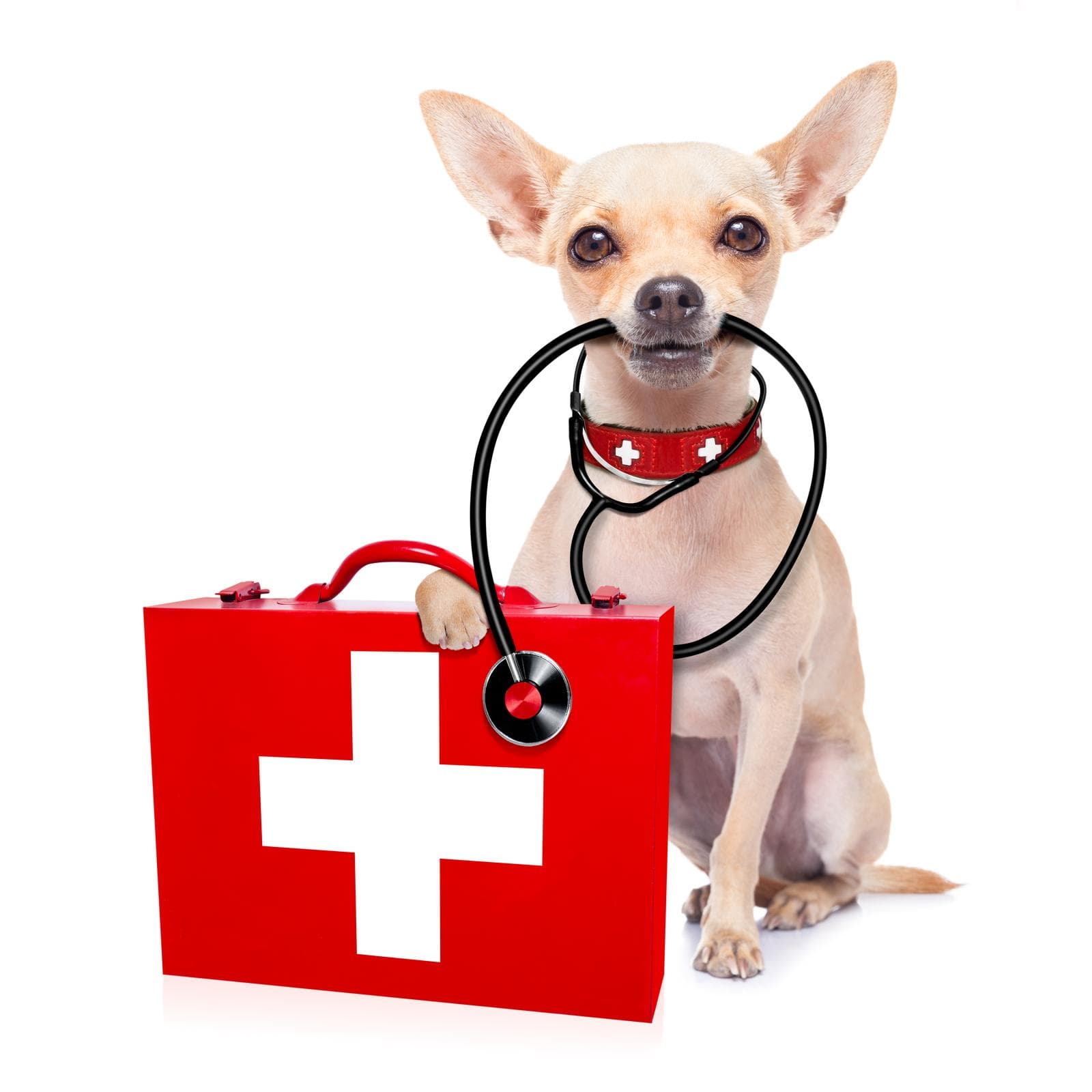
Accidents happen when you least expect them, especially if you have an active dog that loves adventure. Whether you're hiking in the woods, vacationing in the mountains, or just playing in the park: your dog can get hurt. A thorn in the paw, a tick bite, a scrape, or worse. At such a moment, it is crucial that you can act immediately. A well-stocked first aid kit for your dog is not a luxury, but an absolute necessity for every responsible dog owner.
In this comprehensive guide, we dive deep into the world of canine first aid. We discuss not only what should be in the ideal first aid kit, but also how to use these items and what to look out for. Because having the tools is one thing, but knowing how to use them is just as important.
Why a Specific First Aid Kit for Dogs?
You might wonder: "Can't I just use my own first aid kit?" To some extent, yes. Gauze and scissors are universal. But dogs have specific needs and anatomical features that require different materials. Think of cohesive bandages that don't stick to fur (but do stick to themselves), or a tick remover which is essential after a walk in tall grass. Moreover, some human medications, such as certain painkillers or ointments, are toxic to dogs. A separate kit prevents mistakes and ensures you always have the right, safe supplies at hand.
Additionally, a "human" first aid kit is often large and bulky, whereas for your dog you often want a compact set that easily fits in your backpack or even on your belt during a walk.
The Basics: What Should Not Be Missing?
Let's start with the basics. These are the items that form the backbone of any good dog first aid kit. Without these supplies, you are nowhere in case of a minor accident.
Bandaging and Wound Care
The most common problems in dogs are paw and skin wounds. Whether they stepped in glass or scraped against barbed wire, you need to be able to clean and cover a wound.
1. Cohesive Bandage This is perhaps the most important invention for dog owners. This bandage does not stick to your dog's hair (which would be painful to remove), but sticks firmly to itself. It is ideal for holding a gauze pad in place or applying light pressure to stop bleeding. Make sure to choose a bright color so you can quickly see if the bandage is still in place.
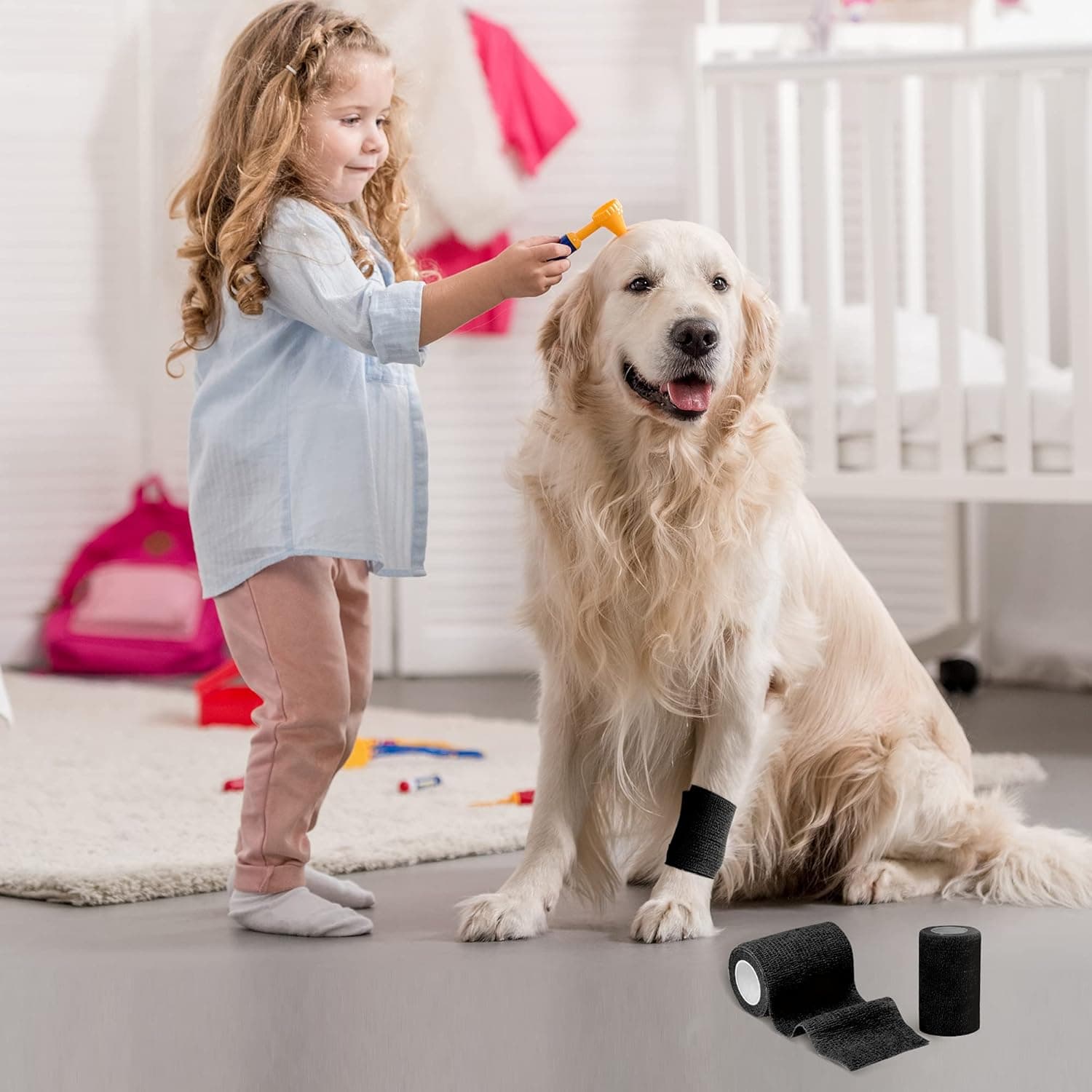
2. Sterile Gauze Pads Use these to clean wounds or as a compress directly on the wound under the bandage. Make sure to have different sizes, because a scratch on the nose requires a different size than a large cut on the flank.
3. Betadine or Chlorhexidine Disinfection is key. A small bottle of Betadine (iodine) or a spray with chlorhexidine helps prevent infections. Note: do not use alcohol on open wounds, it stings terribly!
4. Wound Spray or Honey Ointment After cleaning, a soothing ointment can speed up the healing process and protect the wound from dirt. Medical honey ointment is a favorite among veterinarians because of its antibacterial effect.
Tools and Equipment
Sometimes you need more than just your hands. The following tools are indispensable.
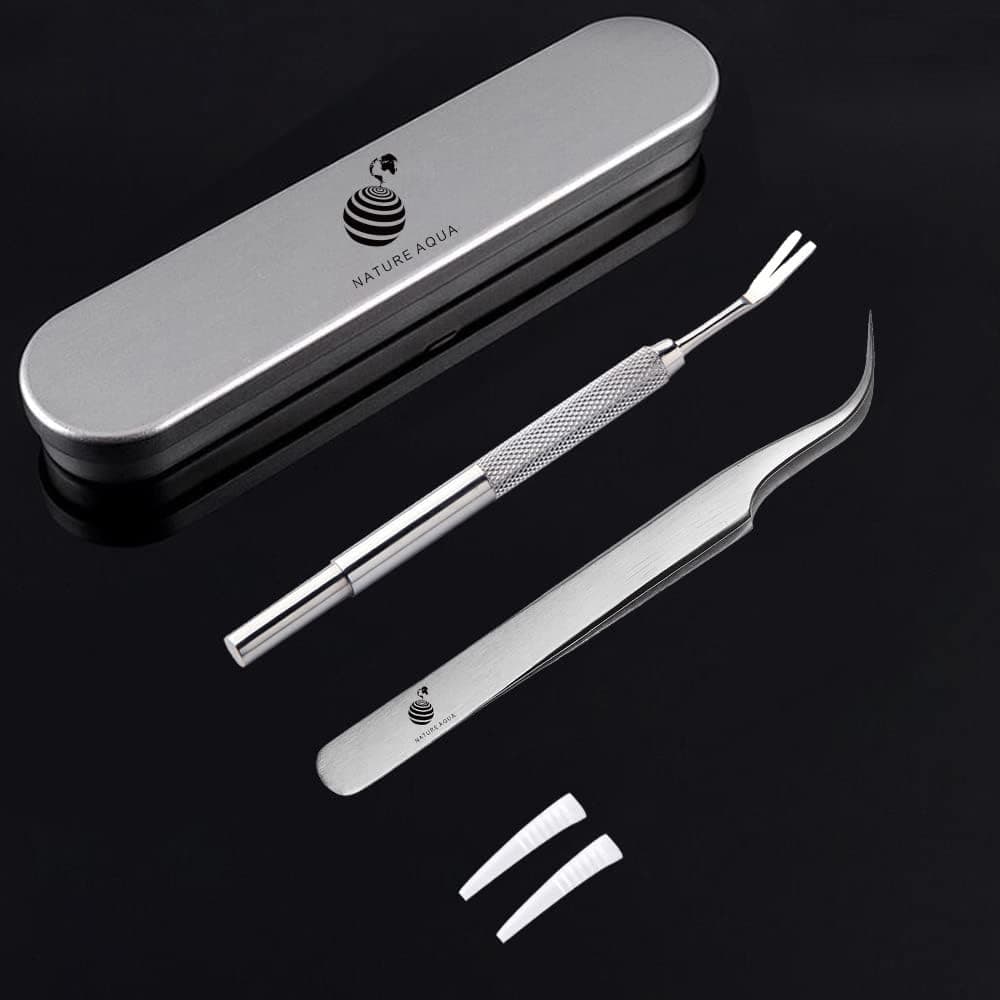
1. Tick Remover Ticks are not only dirty, they also transmit dangerous diseases such as Lyme disease or Babesiosis. It is essential to remove a tick as quickly and correctly as possible: without leaving the head behind and without squeezing the tick. A special tick twister or tick hook is your best friend here.
2. Blunt-nosed Scissors If you need to cut bandages or trim hair around a wound, you don't want to accidentally poke your (probably restless) dog's skin. Bandage scissors with a blunt tip are therefore safer than regular scissors.
3. Tweezers For removing thorns, splinters, glass, or wasp stingers. Good tweezers with a fine point work best.
4. Digital Thermometer A dog's normal body temperature is between 38.0 and 39.0 degrees Celsius. If your dog is lethargic or feels warm, measuring is the only way to know for sure if there is a fever or overheating. Use a thermometer with a flexible tip and some Vaseline (which you should have in your kit anyway!).
Medication and Care
Besides the "hard" first aid supplies, there are care products that come in handy in emergencies or for discomfort.
Paw Care
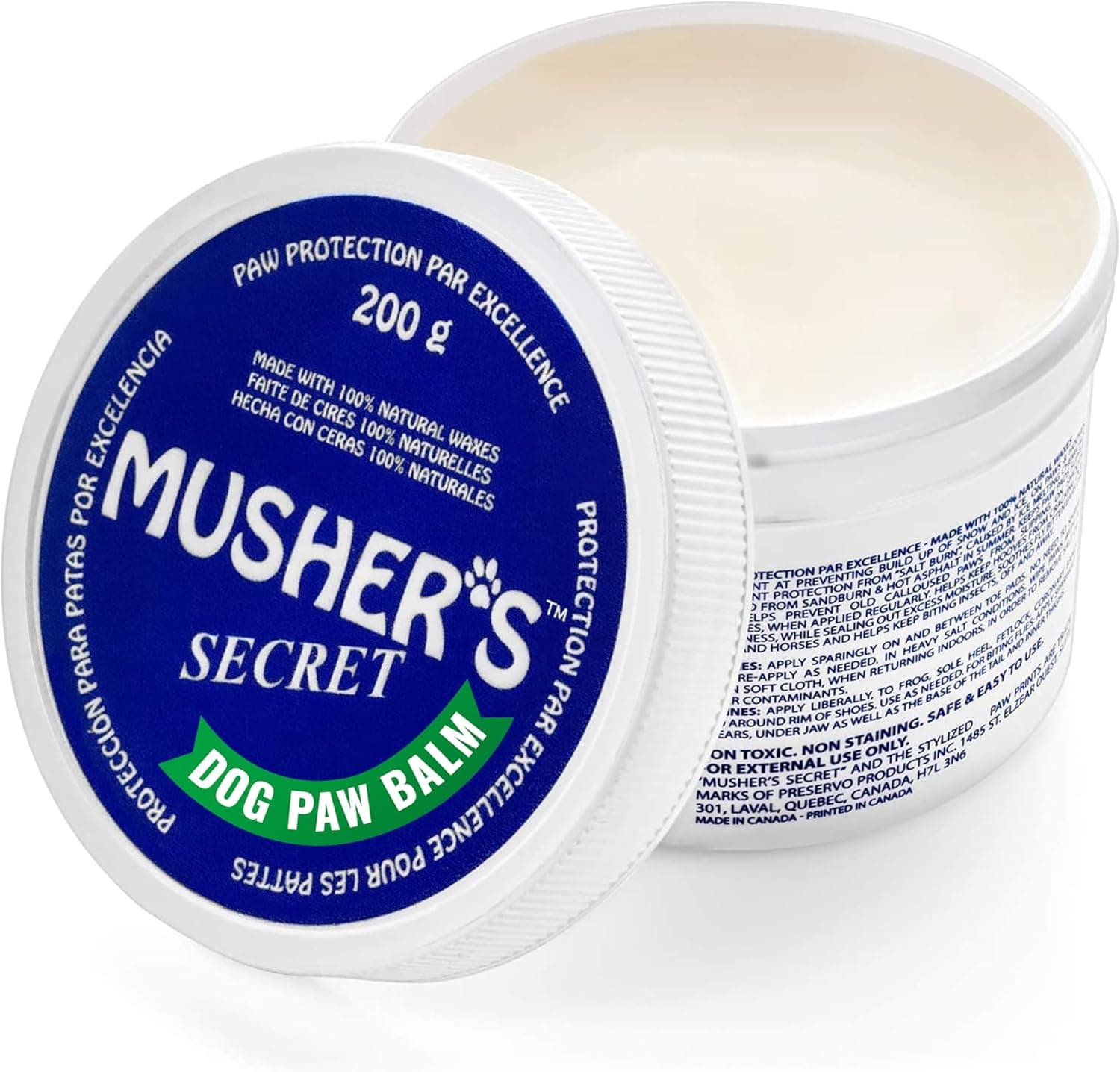
In winter, road salt can irritate your dog's pads, and in summer hot asphalt can cause blisters. Rough terrain during mountain hikes is also tough on the paws. A good paw balm protects, soothes, and heals. It forms a barrier against salt and ice and keeps the pads supple so they are less likely to crack.
Activated Charcoal
Has your dog eaten something wrong? Chocolate, grapes, or maybe something undefinable in the forest? Activated charcoal can help bind toxins in the stomach before they are absorbed into the blood. Note: always consult a veterinarian before giving this, and go straight to the clinic if you suspect poisoning.
Ready-made or Do-It-Yourself?
You can choose to buy all the above items separately and put them in a waterproof bag. This gives you the freedom to choose the very best brands and tailor the kit exactly to your dog.
However, for many people, a ready-made kit is a perfect starting point. These sets often contain the basic necessities in a compact bag. An excellent example of this is the Kurgo First Aid Kit. This is specially designed for active dogs and contains handy extras in addition to standard bandages, all packed in a sturdy, roll-up bag that is easy to take with you.
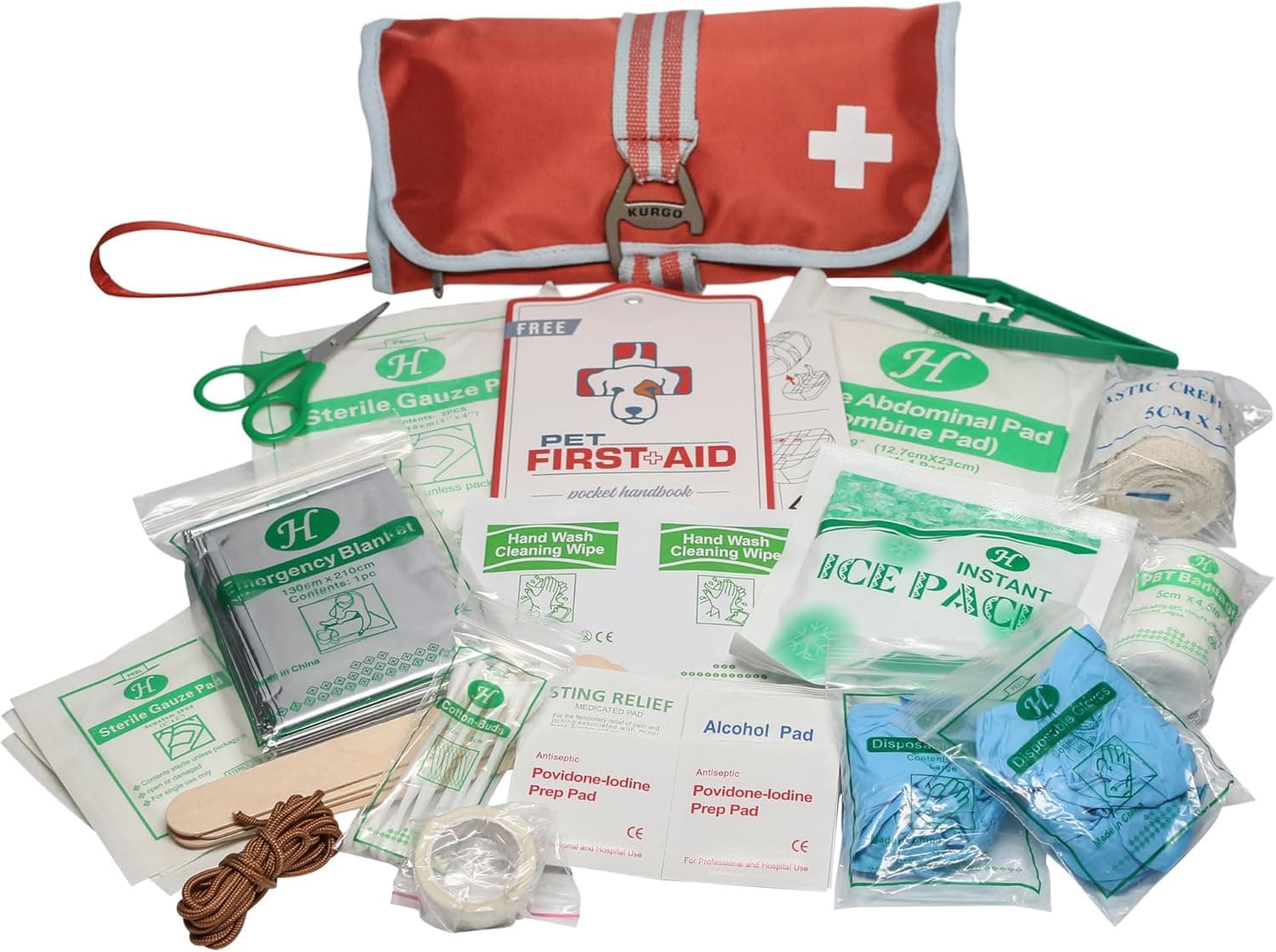
You can then supplement such a basic set yourself with specific items you miss, such as that extra good tick remover or your dog's favorite paw balm. This way you have the best of both worlds: the convenience of a complete set and the perfection of customization.
First Aid Tips for the Road
Now that your kit is complete, a few tips for using it:
- Check Expiration Dates: Bandages don't expire quickly, but liquids and ointments do have an expiration date. Check your kit every six months and replace what is expired.
- Practice at Home: Don't wait until disaster strikes to figure out how the cohesive bandage works or how to use the thermometer. Practice this at home in a calm environment and reward your dog, so he gets used to the handling.
- Keep it Accessible: Don't bury your first aid kit at the bottom of your overstuffed suitcase. Make sure you can reach it, especially during the car ride or on walks.
- Save the Vet's Number: Ensure that the number of your own vet and (if you are on holiday) a local vet is in your phone. In panic, you don't want to have to Google.
Common Emergencies: What to Do?
Here is a brief overview of actions for common situations:
- Bleeding Wound: Press a sterile gauze pad onto the wound and bandage it tightly (but not too tightly) with the cohesive bandage. Go to the vet if bleeding doesn't stop or the wound is deep.
- Tick Bite: Remove the tick immediately with the tick hook. Disinfect the spot afterwards with Betadine. Note the date and keep an eye on the spot and your dog for symptoms of illness.
- Overheating: Bring the dog immediately to a cool place, offer lukewarm (not ice cold!) water, and cool the dog with wet towels or water, starting at the paws and belly. Call the vet immediately.
- Broken Nail: This can bleed profusely. Try to stop the bleeding with a gauze pad or styptic powder (if you have it). Carefully trim the hanging part if it's only attached by a thread, but be careful: this is very painful. Cover it and visit the vet.
Conclusion
Preparation is half the battle. Assembling a first aid kit for your dog might take some time and a small investment, but the feeling of safety you get in return is priceless. You hope you never need the supplies, but if the moment comes, you'll be grateful to yourself.
Whether you choose the convenience of the Kurgo First Aid Kit or assemble your own set with loose bandages, tick removers, and paw balm: make sure you take action today. Because the safety of your loyal four-legged friend comes first.
Wishing you many safe and carefree miles of walking!
Four times a year
The Dogmaps newsletter in your inbox
A short welcome series followed by four practical emails a year with tips, locations, and relevant offers.
 Mascha
 Marijke