Dog Dental Care: The Ultimate Guide to Healthy Teeth and Fresh Breath
Discover how to brush your dog's teeth, why dental hygiene prevents serious health issues, and the best products to keep that doggie breath fresh.

Have you ever leaned in for a cuddle with your furry friend, only to be greeted by a waft of "doggie breath"? Many owners accept bad breath as a normal part of owning a dog, but it's often the first sign of dental disease. Just like us, dogs need regular dental care to stay healthy and happy.
In this guide, we’ll explore why canine dental hygiene is so critical, how you can master the art of brushing your dog's teeth, and the best products to make the job easier. Let's turn that stinky breath into fresh kisses!
Why Dental Health Matters
It’s easy to overlook your dog’s teeth, but dental health is a window to their overall well-being. By the age of three, most dogs display some evidence of periodontal disease. It starts with plaque, a sticky film of bacteria, which hardens into tartar if not removed. This can lead to inflamed gums (gingivitis) and tooth loss.
The risks go beyond the mouth. Bacteria from periodontal disease can enter the bloodstream and affect vital organs like the heart, liver, and kidneys. Maintaining your dog's oral hygiene isn't just about fresh breath; it's about extending their life.
Signs of Dental Disease
Dogs are experts at hiding pain, so it’s up to us to spot the warning signs. Keep an eye out for:
- Bad Breath: A persistent, foul odor is a red flag.
- Discoloration: Yellow or brown tartar buildup on the teeth near the gumline.
- Red Gums: Swollen or bleeding gums.
- Eating Habits: Chewing on one side, dropping food, or loss of appetite.
- Behavioral Changes: Pawing at the mouth or shying away from head touches.
If you notice any of these, a trip to the vet is in order.

Step-by-Step: How to Brush Your Dog's Teeth
Brushing is the gold standard for dental care. It might seem daunting, but with patience, it can become a bonding activity.
Step 1: Desensitization
Don't rush in with a toothbrush. Start by getting your dog comfortable with having their mouth touched. Lift their lips and touch their teeth with your finger, rewarding them immediately with a treat and praise. Repeat this daily until they are relaxed.
Step 2: Tasty Toothpaste
Never use human toothpaste, as it often contains xylitol or fluoride, which are toxic to dogs. Choose a dog-specific toothpaste with flavors like poultry or beef. Let your dog lick a small amount off your finger to create a positive association.
Step 3: Brushing Technique
Once your dog accepts your finger and the toothpaste, introduce the brush. You can use a finger brush or a specially designed dog toothbrush.
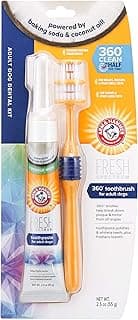
Focus on the outer surfaces of the teeth, as the tongue helps clean the inner surfaces. Use gentle circular motions, paying special attention to the gumline where plaque accumulates. Aim for 30 seconds per side.
Alternatives to Brushing
We get it—sometimes brushing just isn't possible every day. While nothing beats the brush, these alternatives can significantly help reduce plaque and tartar.
Dental Chews
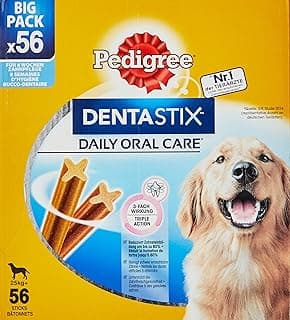
Chewing provides mechanical cleaning action. Dental chews are designed to scrape away plaque as your dog gnaws on them. They are a great daily supplement to your routine.
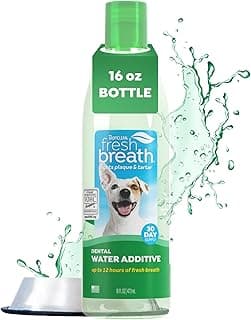
Water Additives
For the ultimate convenience, consider a water additive. These solutions are added to your dog's water bowl and work to fight bacteria and freshen breath with every sip.
Professional Veterinary Cleaning
Even with excellent home care, your dog may eventually need a professional cleaning. Vets perform these under anesthesia to thoroughly clean below the gumline and inspect for issues that aren't visible to the naked eye. Think of it as their version of your annual dentist visit.
Conclusion
Dental care is a vital part of being a responsible dog owner. By implementing a routine of brushing, providing dental chews, or using water additives, you are investing in your dog's long-term health. Don't wait for the bad breath to become unbearable—start your dental care journey today!
Your dog deserves a pain-free mouth and a healthy body. And you deserve fresh, happy kisses!
Four times a year
The Dogmaps newsletter in your inbox
A short welcome series followed by four practical emails a year with tips, locations, and relevant offers.
 Mascha
 Marijke