
Camping with Your Dog: The Ultimate Beginner's Guide to a Stress-Free Vacation
Going camping with your dog for the first time? Discover our ultimate beginner's guide full of tips, packing lists, and rules for a relaxing nature vacation.

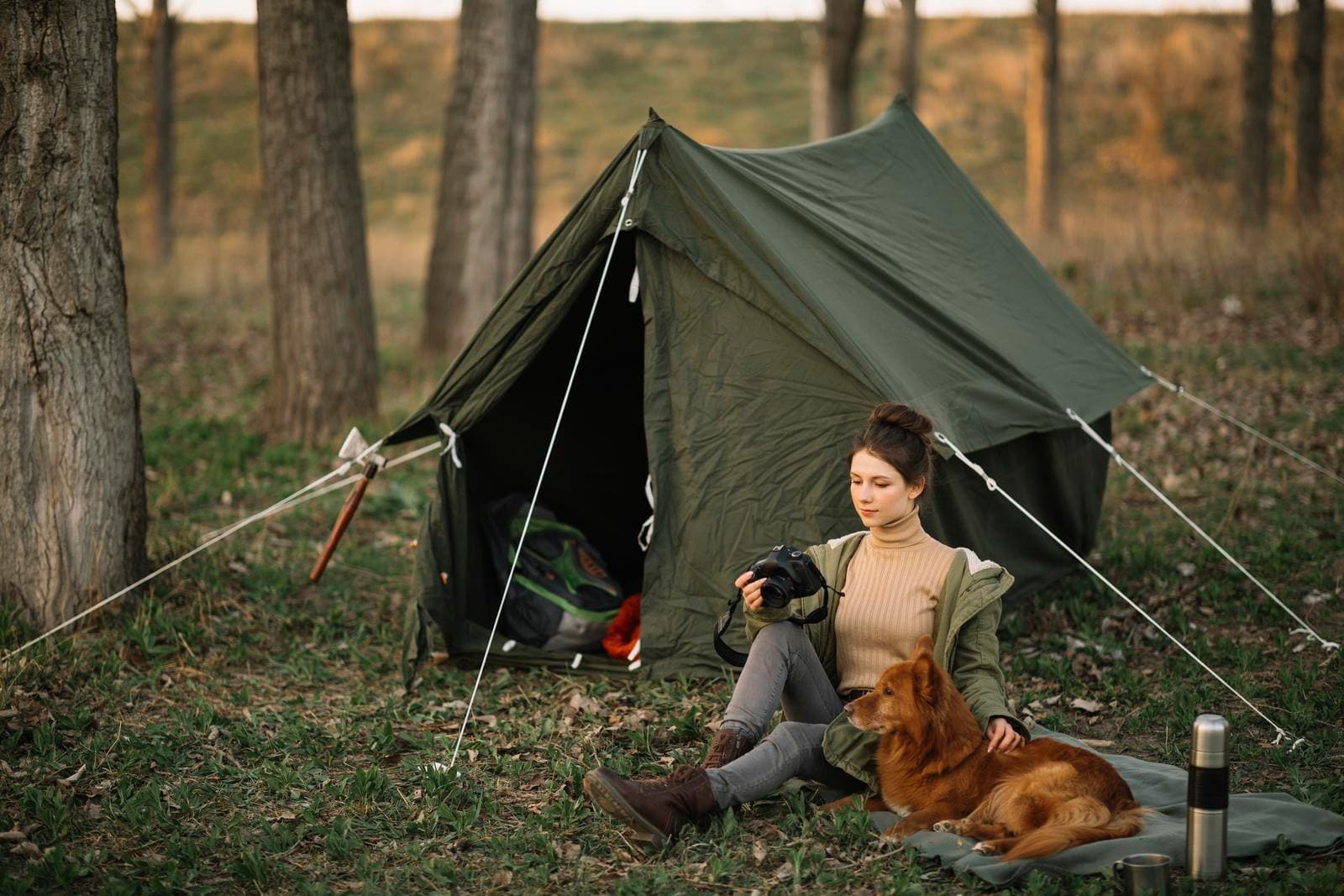
Imagine this: you wake up to the sound of birds chirping, unzip your tent, and fresh morning air rushes in. Next to you, your faithful four-legged friend stretches out, ready for a new day full of adventure in the great outdoors. Camping with your dog is one of the most liberating ways to vacation. Whether you're heading to the woods, the mountains, or a lakeside retreat, living outside together strengthens your bond immensely.
But if you're doing this for the first time, it can also be a bit nerve-wracking. Will your dog stay near the tent? What if he barks at the neighbors? And what exactly should you pack? Don't worry! In this ultimate beginner's guide, we'll walk you through all the preparations so you can enjoy a well-deserved and stress-free camping trip together.

1. Preparation: Find the Perfect Spot
Not every campsite is equipped for dogs. "Dogs allowed" sometimes means they are merely tolerated, as long as you pay the fee. Therefore, look for campsites that are truly dog-friendly.
- Facilities: Are there designated walking areas, dog showers, or even fenced play zones?
- Rules: Is the dog allowed in the restaurant or on the terrace? Is there a limit on the number of dogs per pitch?
- Surroundings: Is the campsite located directly on a hiking trail or near water where dogs are welcome to swim?
Tip: Use apps or websites that specifically filter for dog-friendliness. Nothing is more annoying than arriving only to discover your dog isn't allowed off-leash anywhere nearby.
2. Sleeping and Relaxing: Create a Safe Haven
Everything on the campsite is new and exciting: strange noises, other dogs, and people walking past your tent. It is crucial that your dog has his own safe place where he can retreat. At home, he has his bed, and camping should be no different.
A regular dog cushion is often too bulky and gets dirty or wet quickly. That's why a dedicated travel bed is a lifesaver. Our favorite is the Chuckit! Travel Bed. It rolls up compactly like a sleeping bag, is machine washable, and has a water-repellent bottom. Ideal for use on the grass or inside the awning.
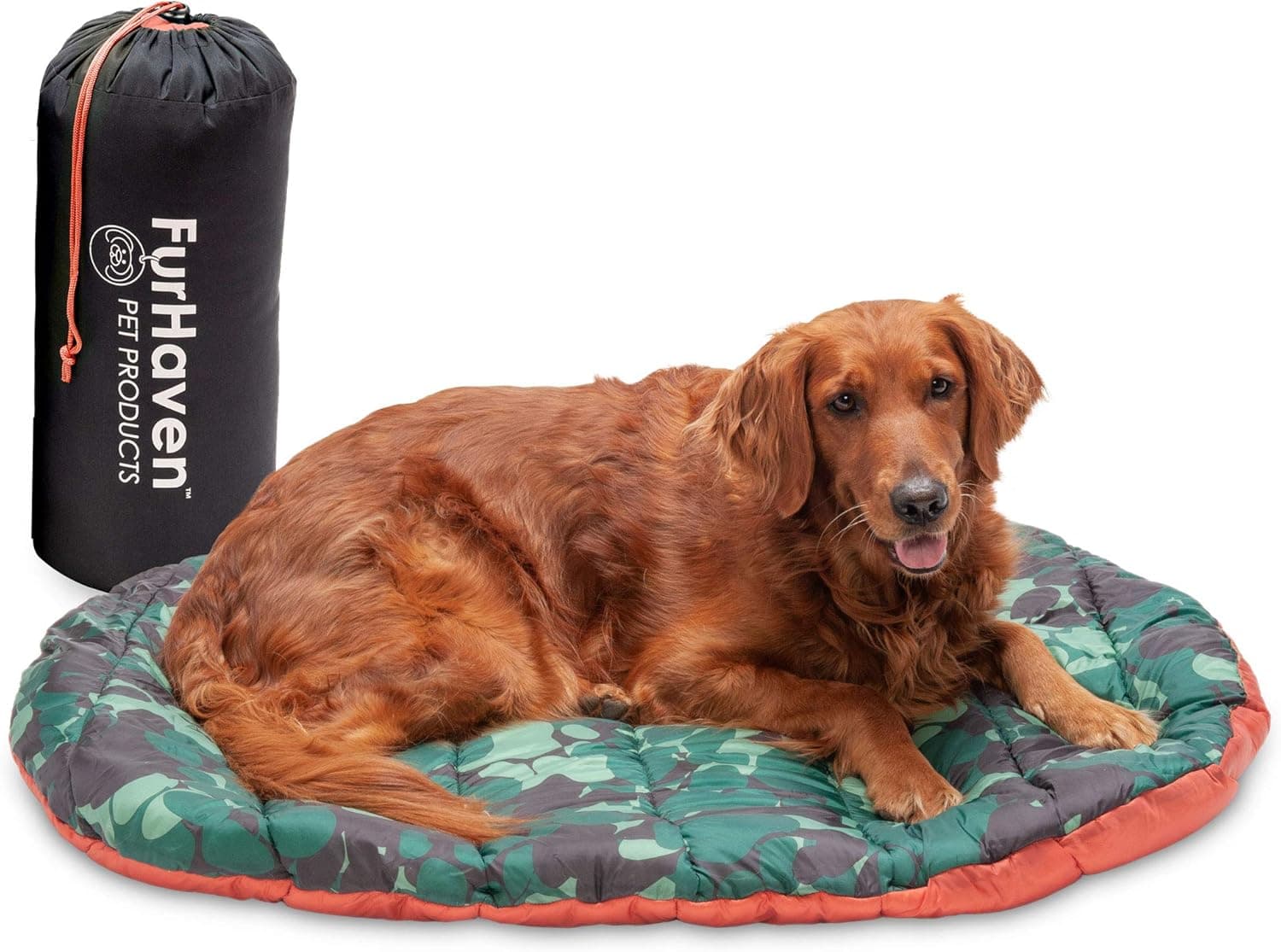
Make sure to introduce this bed at home first. Let your dog sleep on it a few times so it smells familiar as soon as you roll it out at the campsite.
3. Safety Around the Tent
Most campsites require dogs to be kept on a leash at the pitch. Even the most obedient dog can chase a rabbit or ball in an unguarded moment. You don't want to hold the leash all day, but you also don't want him pulling down the tent poles.
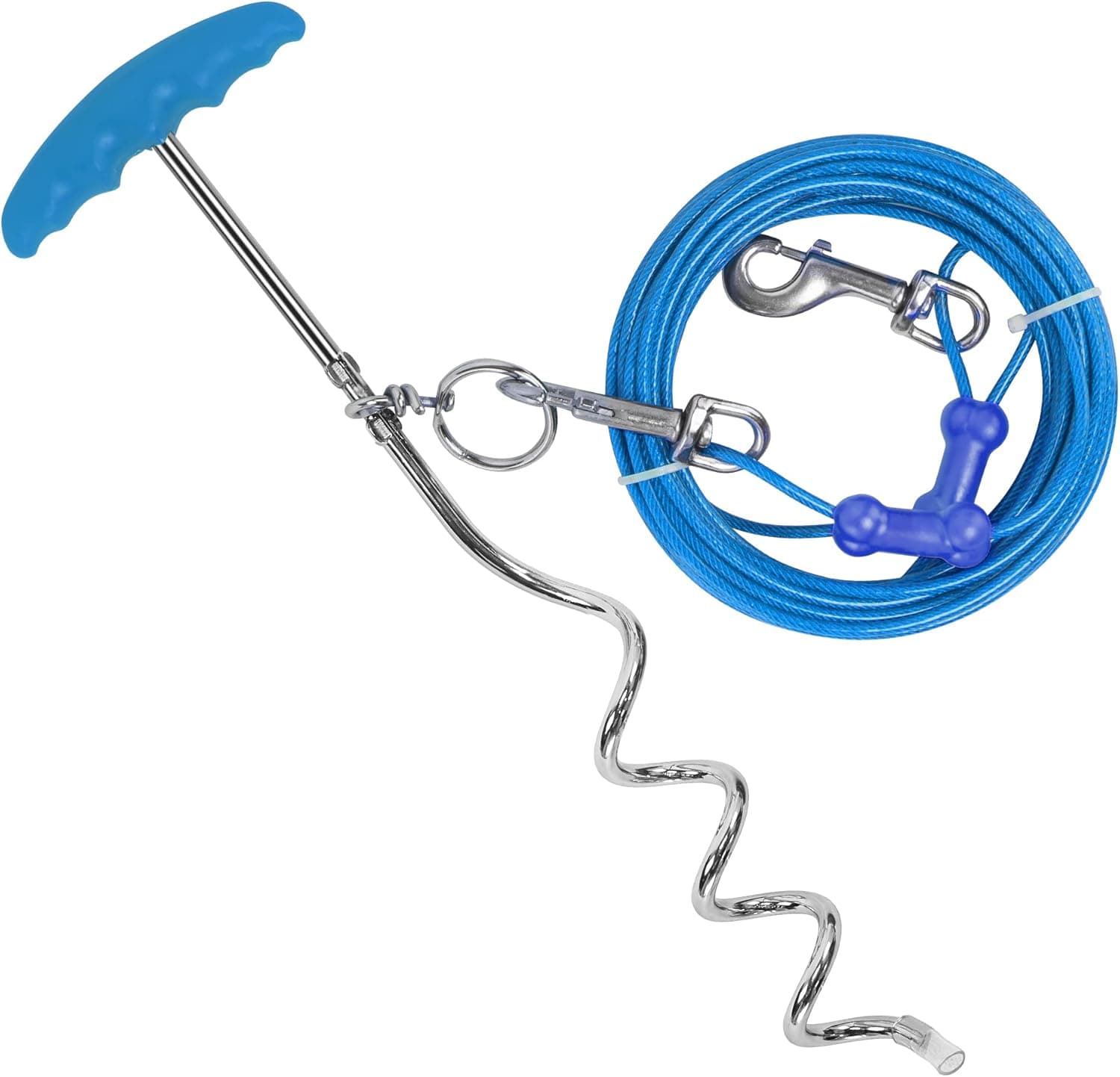
The solution is simple: a Spiral Dog Stake. You screw this firmly into the ground and attach a long line (for example, made of Biothane). This gives your dog freedom of movement around the tent without the risk of escape. Just make sure the line isn't so long that he can visit the neighbors uninvited!
Extra Safety Tips
- ID Tag: Ensure your dog wears a tag with your mobile number (including country code).
- Photo: Keep a recent, clear photo of your dog on your phone, just in case he wanders off.
4. The Packing List: What Not to Forget?
Besides standard items like food (pack extra!), bowls, and leashes, there are a few essentials for the camper:
- Long Line (5-10 meters): For the pitch and during walks in leash-only areas.
- Towels: Lots of towels. A wet, muddy dog in a small tent is no fun.
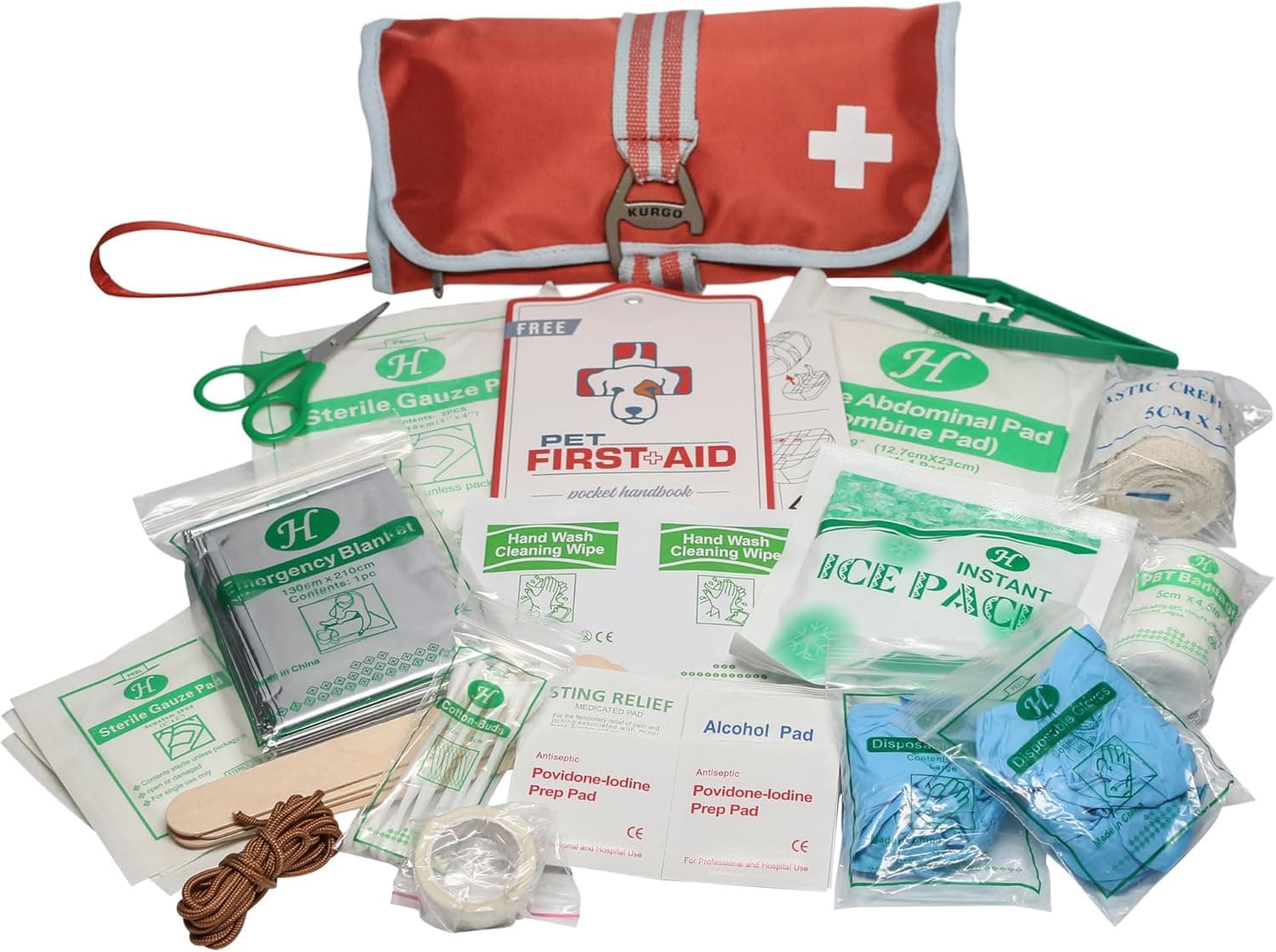
- First Aid Kit: Accidents happen. A tick remover, disinfectant, and bandages are essential. The Kurgo Dog First Aid Kit is compact and complete. Want to know exactly what should be in it? Read our comprehensive guide on building a dog first aid kit.
- Passport: Crossing borders? Then a European pet passport with a valid rabies vaccination is mandatory.
5. Camping Etiquette: Keep Friends
You think your dog is amazing, but not every camper is a dog lover. Be considerate of your neighbors to avoid complaints.
- Barking: Try to prevent excessive barking. If your dog reacts strongly to passersby, position your tent or caravan (or use a windbreak) to limit his view.
- Clean Up: It sounds obvious, but always clean up after your dog immediately. Even in the bushes at the edge of the campsite.
- Don't Leave Alone: Do not leave your dog alone in the tent or caravan, especially if it's hot or if he gets anxious in strange environments.
Conclusion
Camping with your dog is an adventure you won't soon forget. It requires a bit of extra preparation and adaptability, but you get priceless memories in return. Waking up together, being outdoors all day, and sitting in front of the tent in the evening, tired but satisfied... it doesn't get better than that.
Want to try something different besides hiking and camping? Read our guide on Cycling with your dog.
With the right gear, like a good travel bed and a secure ground stake, and a healthy dose of 'camping etiquette', you'll ensure you're welcome guests. So pack up that tent, call your dog, and head out!
Do you have an ultimate camping tip? Share it with us on Instagram!
Happy camping, Mascha from Dogmaps
Four times a year
The Dogmaps newsletter in your inbox
A short welcome series followed by four practical emails a year with tips, locations, and relevant offers.
 Mascha
 Marijke