Cycling with Your Dog: The Ultimate Beginner's Guide to Safe Fun
Want to bike with your dog? Discover our complete guide with tips on baskets, trailers, training, and safety for an unforgettable ride.

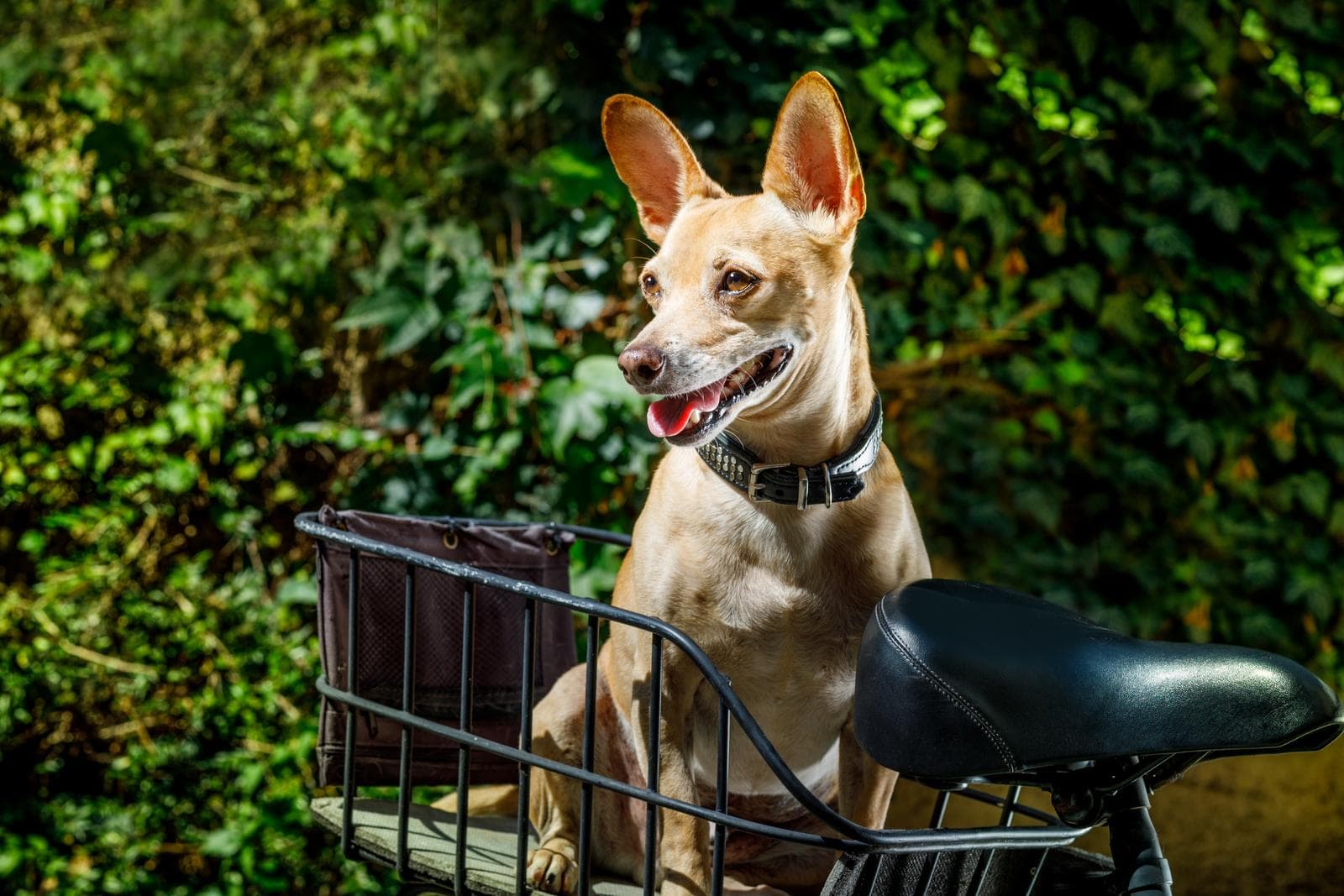
There is nothing quite like the freedom of cycling, the wind in your hair, and the open road ahead. But what makes it even better? Sharing that experience with your best friend. Cycling with your dog is a fantastic way to cover more ground, explore new areas, and work on your fitness together. Whether your dog enjoys the view from a front basket, relaxes in a trailer, or trots actively alongside you, it’s an ultimate bonding experience.
However, before you hop on the saddle, proper preparation is key. Not every dog is a born marathon runner, and traffic can be unpredictable. A wrong approach can lead to injuries for your dog or dangerous situations on the road. In this comprehensive guide, we'll tell you everything you need to know to cycle safely, responsibly, and happily with your dog. We'll cover equipment, training, health checks, and rules.
1. Is My Dog Fit to Cycle?
Before you rush out to buy a bike basket or springer attachment, it's crucial to critically assess your dog. Cycling is a high-impact sport for a dog, especially if they have to run next to the bike.
Age and Growth
Cycling is physically demanding. Wait until your dog is fully grown before letting them run alongside the bike. For small breeds, this is often around 12 months, but for larger breeds, it can take up to 1.5 or even 2 years. Puppies and young dogs still have soft growth plates; prolonged, repetitive impact like trotting next to a bike can lead to permanent joint damage and arthritis later in life.
Alternative for Puppies: They can join the ride from day one in a basket or bike trailer! This is actually an excellent way to socialize them with traffic, sounds, and new environments without physical strain.
Health and Build
Not every dog is built to run.
- Short-nosed Breeds (Brachycephalic): Dogs like the French Bulldog, Pug, and Boxer often struggle with breathing and temperature regulation. For them, sustained running alongside a bike is often physically impossible and even dangerous. A cargo bike or trailer is a much better option.
- Overweight: Does your dog have a few extra pounds? Cycling can help with weight loss, but start very slowly. The extra weight puts additional strain on the joints.
- Joint Issues: For dogs with Hip Dysplasia (HD) or Elbow Dysplasia (ED), always consult an orthopedic vet first. Sometimes linear movement (like next to a bike) is good for muscle building, but this depends on the severity of the condition.
Condition
Build it up slowly. You wouldn't run a marathon without training either. A dog used to three short walks a day cannot suddenly run 10 kilometers next to a bike.
2. The Right Gear: Safety First
Safety is paramount. Holding a regular leash in your hand while cycling is dangerous; if your dog spots a squirrel and pulls, you could easily lose your balance and fall. Fortunately, there are smart solutions for every type of dog.
Small Dogs (up to +/- 10 kg / 22 lbs): The Bike Basket
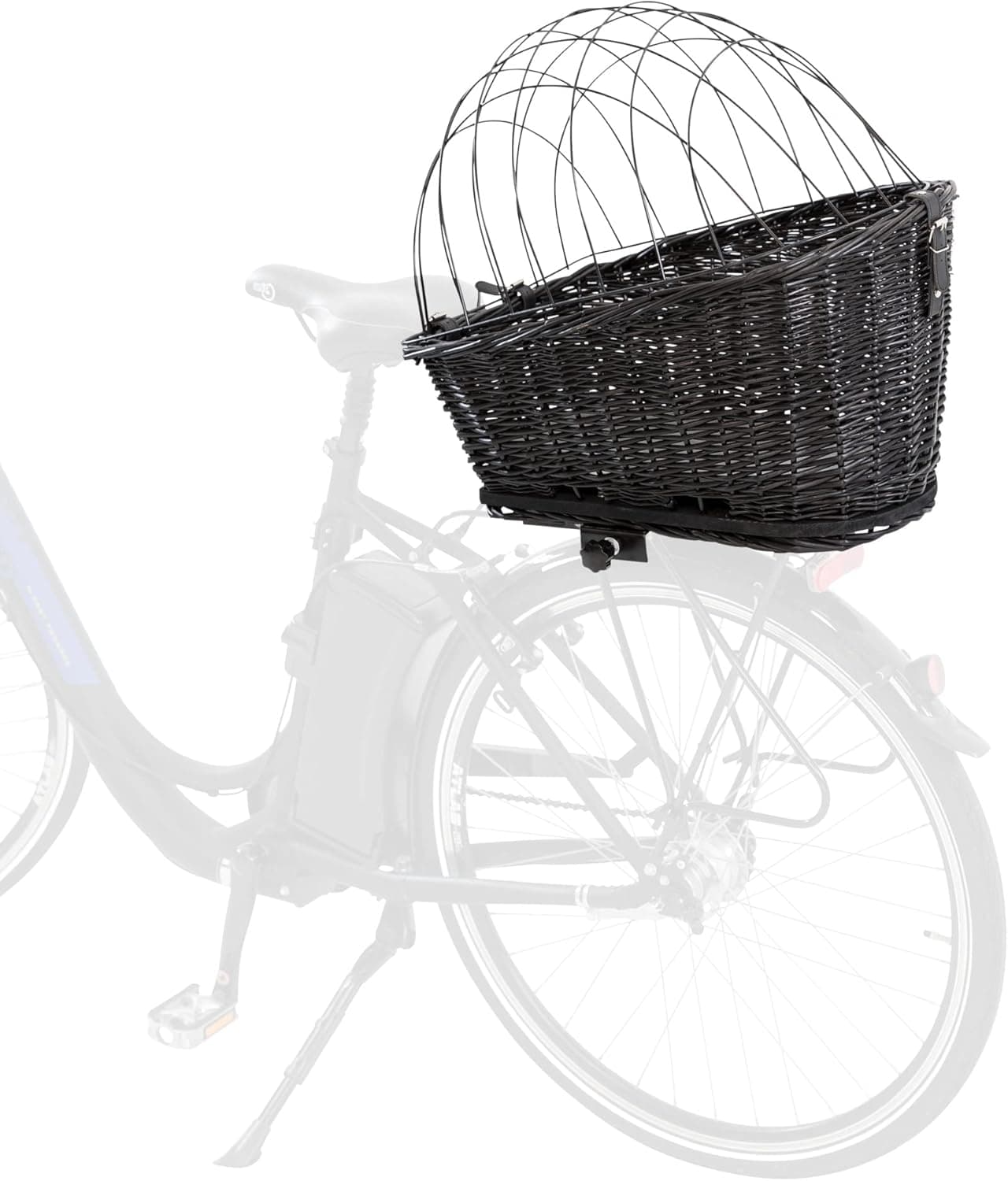
For the little ones, a bike basket on the handlebars or rear rack is ideal. You have a good view of your dog (with a front basket), and they can enjoy looking around.
- Safety: Always choose a basket with a wire dome cover or a very sturdy, short leash attachment (to a harness, never a collar!). You want to prevent your dog from jumping out if they see a cat.
- Comfort: Place a soft cushion in the basket to absorb shocks.
The Trixie Bike Basket is a popular choice: sturdy, comfortable, and safe.
Medium to Large Dogs: The Springer
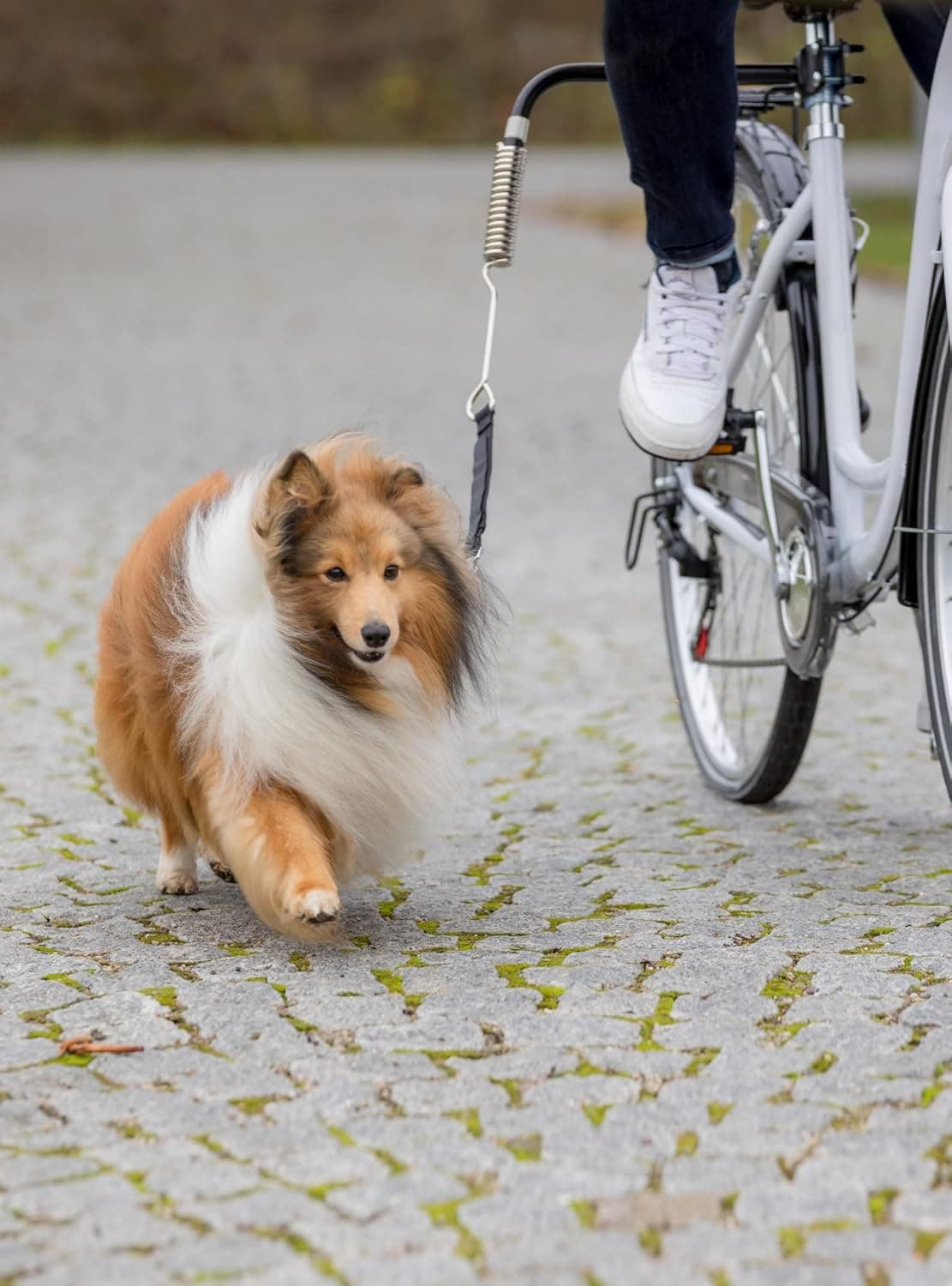
For dogs that love to run and can handle it, a so-called 'springer' or distance keeper is indispensable.
- How does it work? This is a metal arm with a spring that attaches to the seat post or frame of your bike. A short rope attached to the arm clips onto your dog's harness.
- Benefits: The spring absorbs shocks if your dog pulls unexpectedly, helping you maintain balance. You have both hands free for steering and braking. Plus, the arm keeps the dog at a safe distance from the wheels and pedals.
- Note: ALWAYS use a springer in combination with a well-fitting dog harness, never with a collar. In an emergency stop or fall, your dog could otherwise break their neck.
Visibility
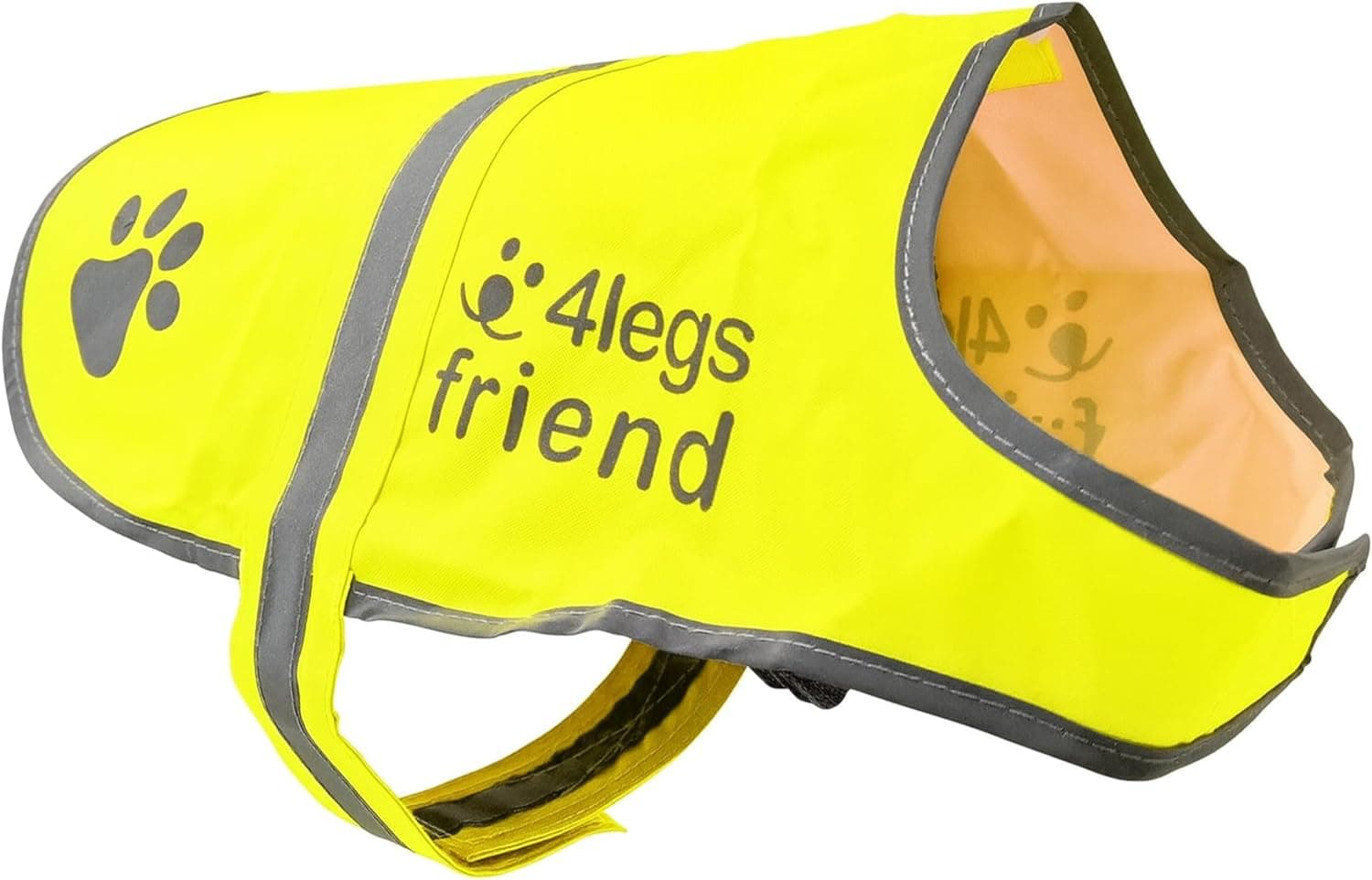
In many places, cycling happens at dusk or in the dark. Ensure both of you are clearly visible. A reflective safety vest for your dog is a must-have. Drivers often overlook a low-to-the-ground dog. A light on the harness also helps.
3. Step by Step: The 7-Day Training Schedule
Don't just throw your dog into the deep end. A dog afraid of the bike will never run alongside relaxedly.
Day 1: Introduction Place the bike in the living room or garden. Let your dog sniff it. Give treats if they stand calmly near the bike. Move the bike back and forth a little.
Day 2: Walking Together Go for a walk pushing the bike. You walk between the bike and the dog. This way, you protect the dog from the 'scary' object. Reward them for walking calmly without pulling.
Day 3: Practicing Position Teach the dog the position next to the bike (usually on the right, the safe verge side!). Use a command like "Bike" or "Heel." Practice turns: for a right turn, they must slow down; for a left turn, they must speed up.
Day 4: Getting Used to the Springer/Basket Attach the dog to the springer and walk (without getting on) a short distance. Or place the small dog in the basket (bike stationary) and give them treats.
Day 5: The First Ride Find a quiet spot (empty parking lot, industrial area on Sunday). Hop on and cycle a short distance at walking pace. Keep talking to your dog.
Day 6: Increasing Distance Cycle a small loop around the neighborhood. Keep the pace low (trot). Stop after 5-10 minutes and play with your dog briefly.
Day 7: The Real Trip Congratulations! You are ready for a slightly longer ride. Keep it to 15-20 minutes for the first few times and build this up slowly.
4. Safety Tips for the Road
- Pace: The ideal pace for a dog is a trot. This is a diagonal gait where the legs move in pairs. Galloping is too strenuous for long distances, and walking is often too slow. In a trot, a dog can cover miles without tiring quickly.
- Surface: Your dog's paw pads are vulnerable.
- Asphalt: Can get scorching hot in summer. Place your palm on the asphalt for 5 seconds. Too hot for you? Then it will burn their paws instantly. Also, nails and pads wear down quickly on rough asphalt.
- Gravel/Stones: Can be painful for the pads.
- Grass/Dirt: Ideal! Seek out unpaved paths or wide verges wherever possible.
- Breaks and Water: Dogs can't sweat like we do; they lose heat through panting and their paw pads. Running generates a lot of heat. Stop regularly (every 15-20 minutes) for a water break and a sniff. Always bring water, even if it doesn't seem very hot.
- Traffic: Stay alert. Anticipate other road users, cats, other dogs, and unexpected situations. You are the driver and responsible for both of you.
5. Frequently Asked Questions (FAQ)
Can my dog run off-leash next to the bike? In many areas, leash laws apply. Even where allowed, an off-leash dog next to a bike is vulnerable. They might get startled, swerve, or chase wildlife. For safety, we always recommend a springer.
At what temperature is it too hot? Above 20 degrees Celsius (68°F), be careful, especially in full sun. Above 25 degrees (77°F), we advise against cycling with the dog. The risk of heatstroke is too high. On warm days, go early in the morning or late in the evening.
What if my dog is scared? Never force them. Fear can turn into panic, which is dangerous on a bike. Take a step back in training. Go back to walking with the bike in hand and use lots of rewards. some dogs simply never enjoy it; accept that and find another activity, or use a bike trailer.
Conclusion
Cycling together is a wonderful way to explore the world. It strengthens the bond between you and your dog, keeps you both fit, and gives a lovely sense of freedom. With the right preparation, good gear like a sturdy basket or safe springer, and a healthy dose of patience, every bike ride becomes a joy.
Don't forget to enjoy the little moments: the ears flapping in the wind, the happy look when you grab the bike, and the satisfied rest afterwards.
Looking for more adventure? Check out our tips for Camping with your dog.
Have you caught the cycling bug? We are curious about your adventures! Share your best cycling photo with us on Instagram and tag us!
Happy cycling, Marijke from Dogmaps
Four times a year
The Dogmaps newsletter in your inbox
A short welcome series followed by four practical emails a year with tips, locations, and relevant offers.
 Mascha
 Marijke