
Hiking with Your Dog: The Ultimate Guide to Preparation, Gear, and Safety
Planning a hike with your dog? Read our ultimate guide on preparation, essential hiking gear, and safety tips for a successful adventure.

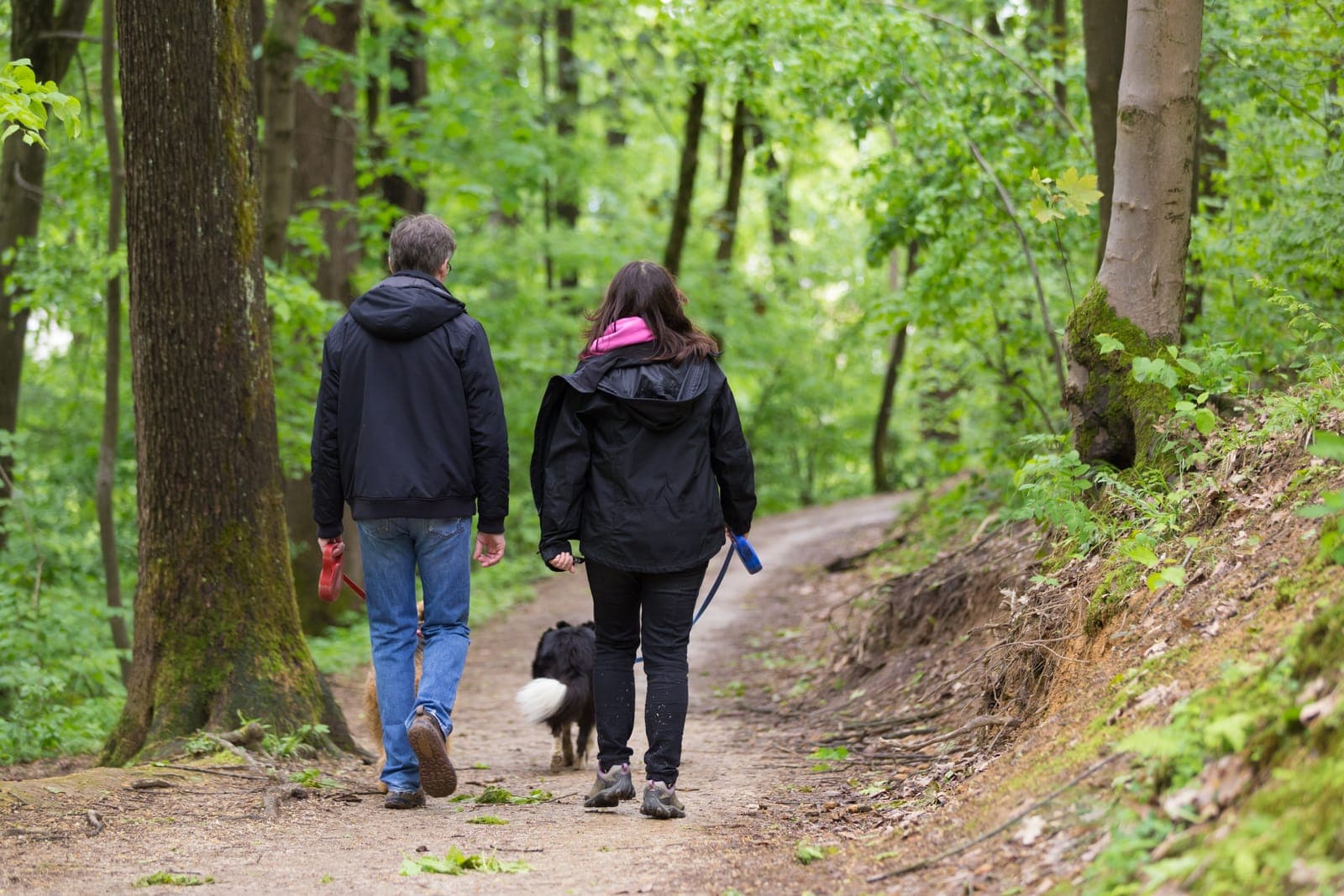
Nothing beats heading into nature with your faithful four-legged friend. The fresh air, the scents of the forest, and your dog's enthusiasm to explore every new path: it's the ultimate way to relax. Whether you're planning a day trip to a national park, conquering hills, or embarking on a multi-day trek, hiking with your dog is a fantastic experience. It not only strengthens your bond but keeps you both physically and mentally fit.
However, a serious hike involves more than just grabbing the leash and walking out the door. Especially if you plan to cover longer distances, enter unfamiliar terrain, or face changing weather conditions, good preparation is essential. How do you prevent injuries? What should you do if you encounter wildlife? And what items must absolutely not be forgotten?
In this comprehensive guide, we take you into the world of hiking with dogs. From conditioning and route planning to the perfect gear and safety tips: this is everything you need to know for a successful adventure.

1. Preparation: A Good Start is Half the Battle
Many owners overestimate their dog's fitness. "He runs around the garden all day" is unfortunately no guarantee that he can handle a 15-kilometer hike on rough terrain without issues. Just like humans, a dog's fitness must be built up gradually to prevent overexertion and injuries.
Fitness and Age
Start with walks that are slightly longer than your daily rounds and expand this step by step. Pay close attention to your dog's signals during the walk. Is he panting heavily, walking slower, or even lying down? Then you've gone too far.
- Puppies: The rule for young dogs is: 5 minutes of walking per month of age. A 4-month-old puppy should walk a maximum of 20 minutes at a time. Long hikes are strictly discouraged due to the strain on their growing joints.
- Seniors: Older dogs often want to come along but can't always keep up. Adjust the pace and choose routes with less elevation gain.
Choosing the Route: What to Look For?
Not every nature area is equally suitable for dogs. Before you start the car, it's smart to check a few things:
- Leash Laws vs. Off-Leash Areas: In many nature reserves, dogs must be on a leash, especially during breeding season. Use the Dogmaps app to find areas where your dog can run free.
- Terrain: Rocky paths, hot asphalt, or sharp gravel can damage your dog's paw pads. Asphalt can become scorching hot in summer; always check with the palm of your hand first.
- Elevation: Going into the mountains? Keep in mind that climbing and descending is much harder for a dog than walking on flat ground.
2. Safety in Nature
Nature is beautiful but can also be unpredictable. As a responsible dog owner, you need to be prepared for various scenarios.
Wildlife and Livestock
In many hiking areas, you might encounter large grazers like Highland cattle, or even wild boars and wolves.
- Large Grazers: Always keep at least 25 meters distance. Leash your dog, as grazers can see dogs as a threat, especially if there are calves.
- Wolves: Wolves are present in many parts of Europe. Hiking in a wolf territory? Read our special blog about walking in wolf territory for specific tips and behavioral rules.
The Weather: Heat and Cold
Dogs cannot release body heat as well as humans. They only sweat through their paw pads and by panting.
- Summer: At temperatures above 20 degrees Celsius, a long, intensive hike can be risky, especially in direct sunlight. Ensure frequent water breaks and seek shade. Read our tips on how to keep your dog cool during hot days.
- Winter: In snow and ice, clumps of ice can form between the toes, which is painful. Apply vaseline or special paw wax to the pads for protection against salt and cold. Walking in the dark? Read our guide on walking your dog at night.
3. Essential Gear: What to Pack?
Good preparation doesn't stop at the route; the right gear makes the difference between a stressful trip and a relaxing adventure. Here are our top picks that should not be missing from any hiking backpack.
Safety and Freedom: The Long Leash
In many areas, your dog must be on a leash, but you still want to give him some freedom to sniff around. A standard 1.5-meter leash is too short, and retractable leashes are often inconvenient in the forest as they easily get tangled in bushes.
Our favorite is a long leash made of Biothane. Why? Because this material is extremely strong, does not absorb water or dirt, and doesn't get heavier when it rains. Unlike nylon leashes, Biothane glides easily past trees and bushes without getting snagged. Plus, it's easy to clean.
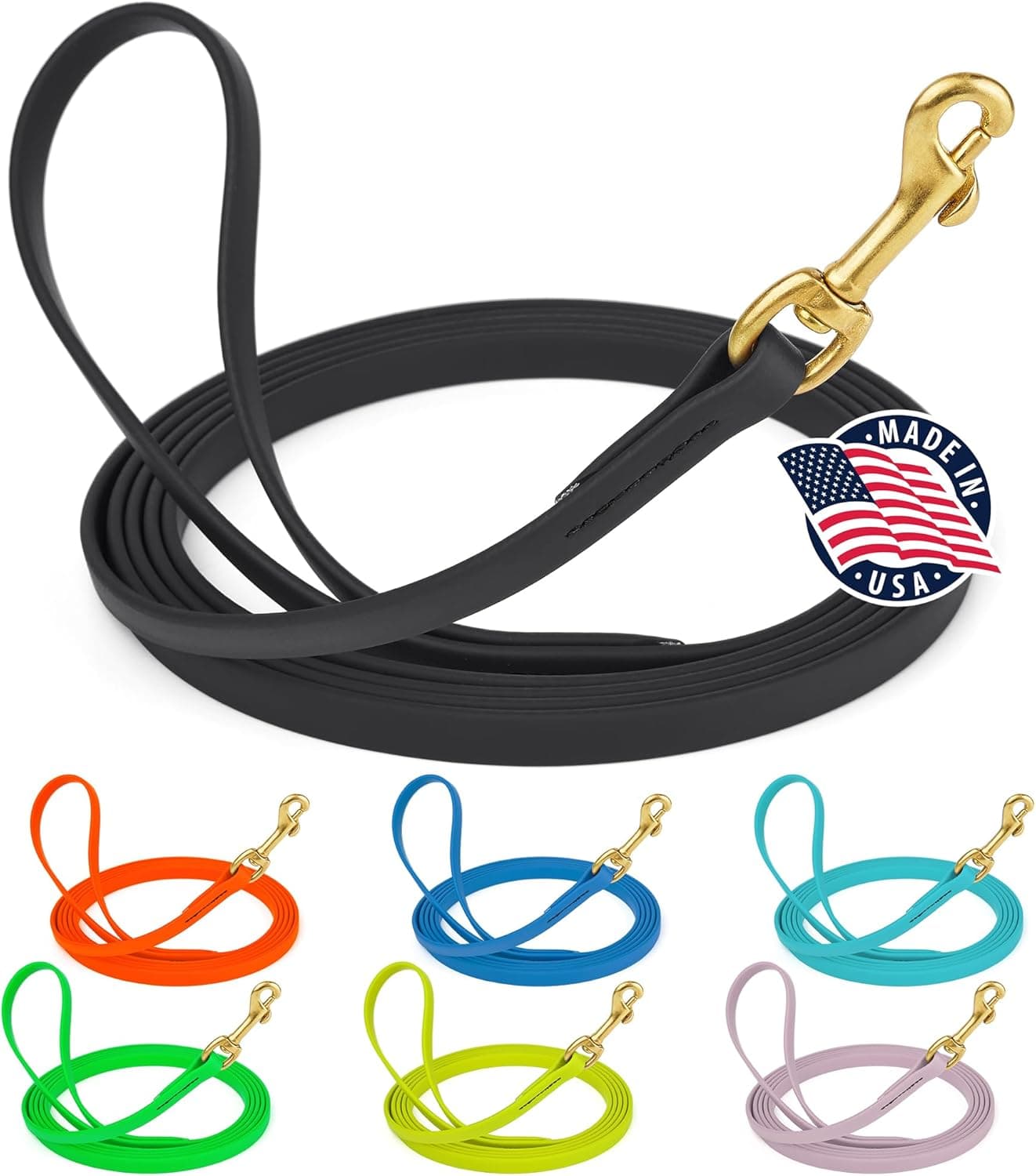
Always use a long leash (e.g., 5 or 10 meters) in combination with a comfortable Y-harness. If your dog unexpectedly picks up speed and the line goes taut, a harness distributes the pressure evenly across the chest, whereas a collar can damage the neck and windpipe.
Always Findable: GPS Tracker
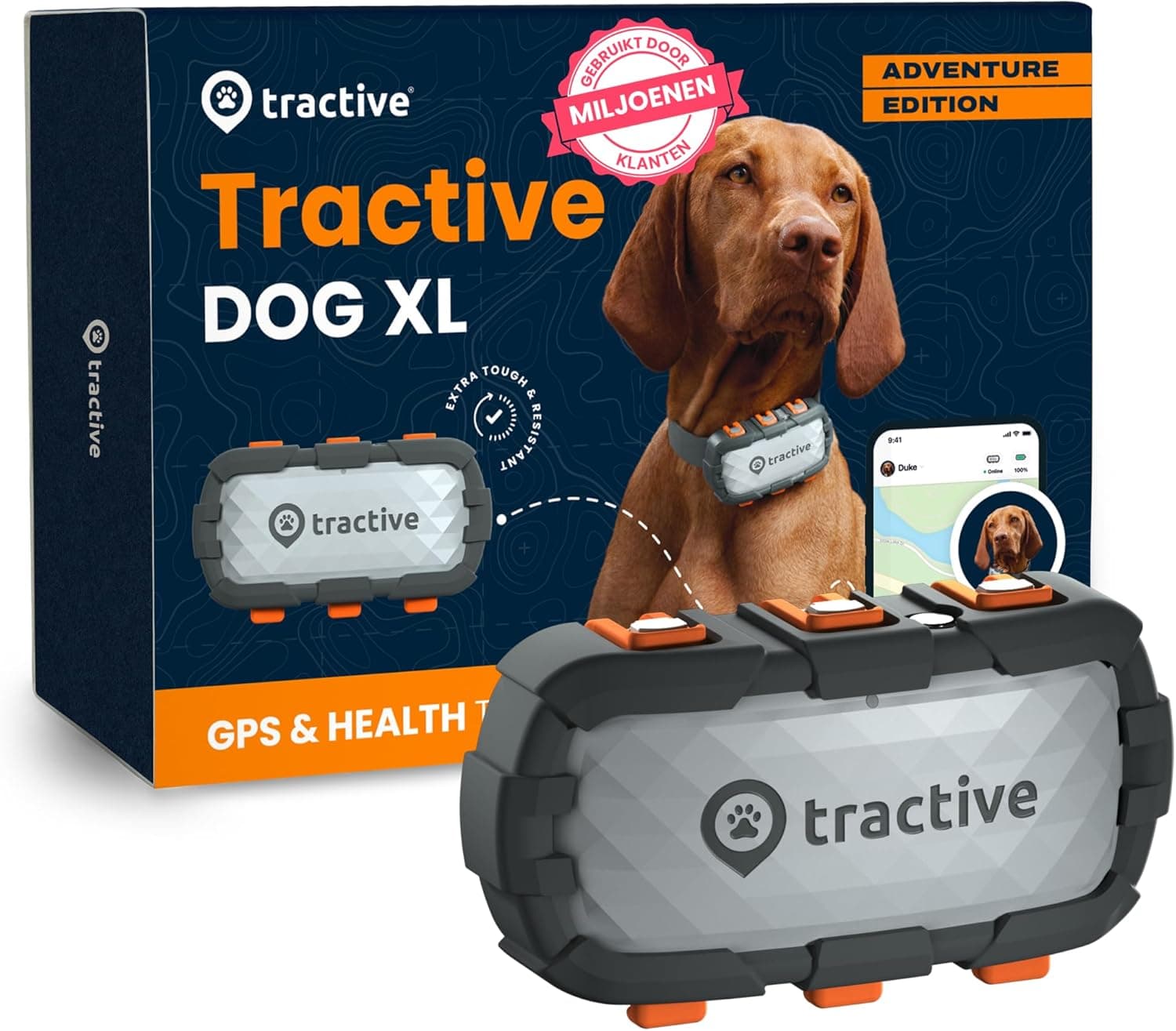
It's every owner's nightmare: your dog gets spooked, smells a female in heat, or chases a rabbit and is suddenly missing. Especially in a strange forest or on holiday abroad, this can cause panic.
A GPS Tracker gives you peace of mind. The Tractive GPS Tracker is a small device that you simply clip onto the collar or harness. Via an app on your smartphone, you can see exactly where your dog is in real-time, without distance limitations. Additionally, the tracker monitors your dog's daily activity and sleep rhythm, which is handy to see if he's recovering enough after a long day of hiking.
First Aid on the Go
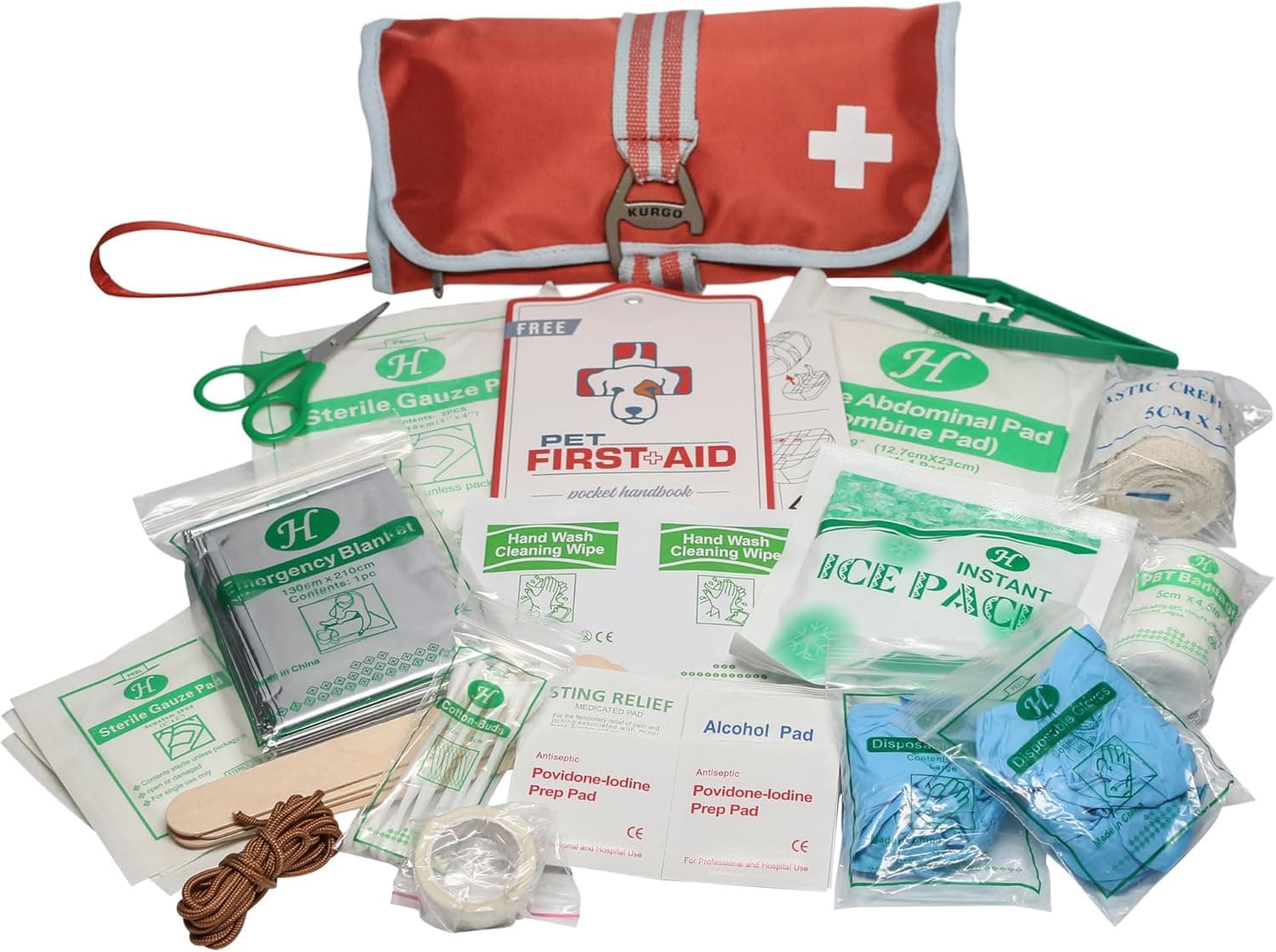
Accidents happen: a torn nail, a thorn in the paw, or a tick bite. Make sure you are always prepared. A standard first aid kit for humans often lacks specific items for dogs.
We recommend the Kurgo Dog First Aid Kit. This set is compact, lightweight, and specially compiled for active dogs. It contains gauze, tape, a tick remover, and disinfectant, among other things. Thanks to the handy clip, you can easily attach it to your backpack or belt. Want to learn more about what else you need? Read our article on the contents of a dog first aid kit.
Water and Snacks
Always bring water for your dog, even if it doesn't seem hot. There are handy water bottles with a built-in bowl. And don't forget the reward! Hiking is work for a dog. Bring healthy snacks to keep his energy levels up. Want to make them yourself? Check our recipe blog for healthy homemade dog treats.
4. Hiking Etiquette: Keep it Fun for Everyone
As dog owners, we are ambassadors for our four-legged friends. By sticking to a few simple rules, we ensure that dogs remain welcome in nature reserves.
- Clean Up: It sounds logical, but always clean up your dog's waste. Even in the forest. Dog poop contains nutrients that can disturb the local flora and can transmit diseases to wildlife.
- Other Hikers: Call your dog to you when passing other hikers, cyclists, or horse riders. Not everyone appreciates an enthusiastic dog snout, and some people are afraid.
- Other Dogs: Don't let your dog rush up to leashed dogs. There is often a reason that dog is tied up (in heat, sick, anxious, or not social). Asking the other owner first is simply polite.
5. After the Hike: The Check-up and Recovery
Back at the car or your holiday home? The work isn't quite done yet.
- Tick Check: This is crucial. Ticks often crawl to warm, hidden spots like the groin, armpits, inside the ears, and around the collar. Remove them immediately with the tick remover from your first aid kit.
- Paw Check: Examine the paw pads closely. Are there stones between the pads? Are there wounds from thorns or sharp glass? Rinse them clean with lukewarm water if necessary.
- Rest: Your dog will be tired after a vigorous hike. Provide a warm, dry, and quiet place where he can sleep undisturbed to recover.
Conclusion
Hiking with your dog is one of the most beautiful activities to do together. You are active, enjoying nature, and strengthening the bond with your buddy. With the right preparation—building fitness, checking the route, and considering the weather—and the right gear like a sturdy Biothane leash, a GPS tracker for security, and a first aid kit, you can hit the trail safely and confidently.
So what are you waiting for? Put on your hiking boots, grab the leash, and go on an adventure! Don't forget to share your most beautiful hiking spots with the Dogmaps community and tag us in your photos.
Happy hiking!
Marijke from Dogmaps
Four times a year
The Dogmaps newsletter in your inbox
A short welcome series followed by four practical emails a year with tips, locations, and relevant offers.

 Mascha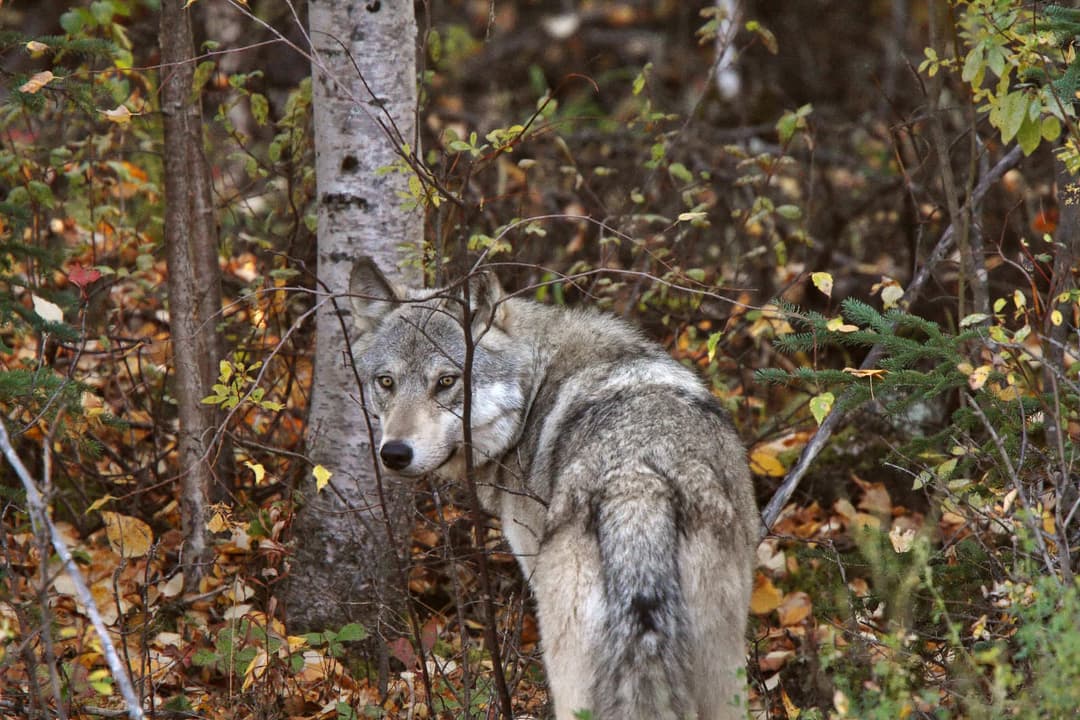
 Marijke